 BabyTides™
Join the waitlist
After birth · Mood
Baby blues or postpartum depression?
Feeling teary, anxious or irritable in the first days after birth is very common and usually passes within two weeks. When low mood lasts longer, gets heavier or starts later, it may be postpartum depression. That’s a common, treatable condition, and it’s nobody’s fault. [1] [2]
Quick answers
How long do the baby blues last?
The baby blues usually go away within 2 weeks of the birth. If the feelings continue, get worse, or you’re struggling to cope, get help. [1] [2]
When does postpartum depression start?
It can start during pregnancy, soon after birth, or any time up to a year after the baby is born. NIMH notes that most episodes begin within 4 to 8 weeks after birth. [1] [2]
What are the signs of postpartum depression?
Common signs include a sad, anxious or empty mood most days, losing interest or enjoyment, hopelessness, guilt, irritability, trouble sleeping or concentrating, difficulty bonding with your baby, and thoughts of self-harm or harming the baby. [1] [2]
Does postpartum depression go away on its own?
Postpartum depression generally doesn’t improve without treatment. With treatment, most people feel better. [2]
What the baby blues can feel like
The first days after birth can bring tears that seem to come from nowhere, worry, irritability and exhaustion, sometimes all in one afternoon. These short-lived mood changes are common in the first two weeks. They usually fade as you recover and get a little more rest. [2] [1]
What helps most is ordinary support: someone to hold the baby while you shower or sleep, meals you don’t have to make, and people you can be honest with about how you feel. If you’re not sure whether what you feel is the blues or something more, mention it to your midwife, health visitor or doctor. That question is part of their job. [2] [1]
When it may be depression
Postpartum depression is more than a few hard days. The signs last at least 2 weeks and are present most days: a low or empty mood, losing interest in things, feeling hopeless, guilty or like a bad parent, being restless or irritable, and sleeping badly even when the baby sleeps. Some people feel disconnected from their baby or doubt they can care for them. [2] [1]
Anxiety is part of it for many people. NIMH lists unexplained aches, headaches and stomach problems among the possible symptoms, too. Partners and family often notice the first changes, so it’s worth listening if someone close to you says you don’t seem like yourself. [2]
Depression can also start months after the birth, or after a period when you felt fine. A later start doesn’t make it less real. [1]
Getting help and treatment
Start by talking to your doctor, midwife or health visitor. They’ll ask how you’ve been feeling and may give you a short questionnaire. In England, if you’re 18 or over (16 or over in some areas), you can also refer yourself to NHS talking therapies without seeing a GP first. [1]
Treatment usually involves talking therapy, medication, or both. Cognitive behavioral therapy and interpersonal therapy are evidence-based options. If you’re breastfeeding, you and your doctor can weigh the options for medicines together. [2]
In the US, the National Maternal Mental Health Hotline at 1-833-852-6262 offers free, confidential support by call or text, around the clock. It isn’t only for emergencies: you can call when you simply need to talk to someone who understands. [4]
A rare emergency: postpartum psychosis
Postpartum psychosis is rare but serious. It can include seeing or hearing things that aren’t there, beliefs that don’t match reality, mania, paranoia and confusion. It’s a psychiatric emergency: call 911 in the US or 999 in the UK, or go to the nearest emergency room. With professional help, recovery is possible. [2] [3]
How to talk about it
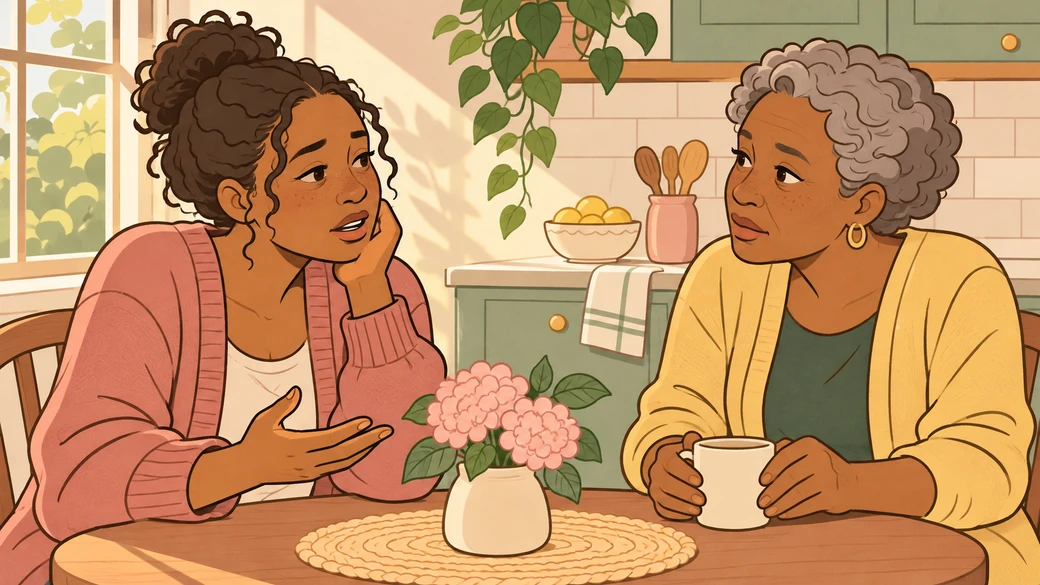
It can be hard to find words, especially if you expected to feel happy. You don’t need a perfect description. Try telling your doctor, midwife or health visitor how long you’ve felt this way, how often, and what it stops you doing: “For three weeks I’ve felt low most days, I can’t sleep even when the baby sleeps, and I don’t enjoy anything.” [1] [2]
If you have thoughts of harming yourself or your baby, say so plainly. Health professionals hear this and know how to help, and saying it is how you get the right support quickly. [2] [1]
When to call your doctor or midwife
Call if low mood, anxiety or irritability lasts longer than two weeks, if it gets worse, or if you’re finding it hard to look after yourself or your baby. Don’t wait for your next scheduled appointment. If someone close to you is worried, our guide for partners and dads explains how they can help, and that they can struggle too. [1] [2]
Keep reading
Join the BabyTides waitlist for updates about the app.
Sources
- NHS: Postnatal depression – symptoms
- National Institute of Mental Health: Perinatal Depression
- NHS: Where to get urgent help for mental health
- HRSA: National Maternal Mental Health Hotline
Sources checked November 13, 2026.