 BabyTides™
Join the waitlist
Sleep · 0–12 months
Signs your baby is tired (and overtired)
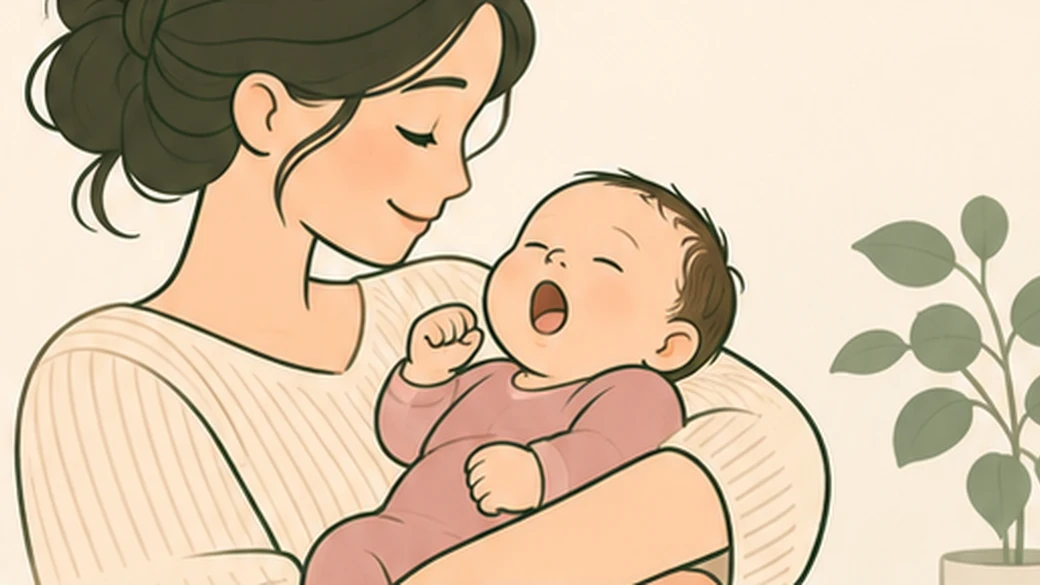
A baby who was watching your face may turn away, lose interest in a toy, or start to yawn. Try pausing the game. What your baby does in the quieter moment can help you decide whether to offer a nap, a feed, or a little more time together. [1] [2]
This guide offers general information. If your baby becomes unusually hard to wake, won’t respond, has difficulty breathing, or has blue or gray lips or tongue, call your local emergency number now. You can describe exactly what you see without knowing the cause. [3]
Quick answers
What are some early signs my baby is tired?
Look for a change in attention. A baby who was following a toy may look past it or turn their head away. Their eyelids may grow heavy, they may rub their eyes, or their movements may slow. A break gives you a chance to see whether they’re getting sleepy. [1] [2]
What does “overtired” look like?
Parents often use the word when a sleepy baby gets fussy and settling becomes a struggle. A baby may cry, cling, or lose interest in play. Those behaviors have other possible explanations, including hunger or a busy room. [1] [2]
Does a yawn mean I should put my baby straight to bed?
A yawn can signal that your baby needs a change of pace. Stop the activity for a moment. If your baby brightens and seeks your face again, they may be ready to play. If they stay drowsy, you can help them wind down for sleep. [1]
How do I know if this sleepiness is urgent?
Get emergency help if your baby is unusually difficult to wake, won’t wake up, or is struggling to breathe. Don’t wait to see how long the next nap lasts. [3]
BabyTides app · coming to iPhone and Android
See your baby’s sleep, day by day
Log naps and nights in a tap. The weekly summary shows how much sleep there was and when, so changes are easier to see.

- Sleep log
- Notes
- Weekly summary
Want paper for now? Print our free newborn log, no sign-up needed.
Not in the App Store or Google Play yet. We’ll email you when it opens.
Watch what changes during play
The easiest place to start is with an ordinary moment. Perhaps your baby is watching you sing, eyes open, face turned toward you. Then they stop following your face, turn their cheek toward your shoulder, or close their eyes. You can finish the song another time. Give them a moment with less going on and watch what happens. [1] [2]
Picture the same moment during a family visit. Someone holds up a toy and moves it closer when your baby looks away. You could say, “Let’s put the toy down for a minute. She was watching before and now she’s turning away.” You can make the room a little quieter without first having to decide exactly why your baby needs a break. [1] [4]
A drowsy baby can have drooping eyelids, a gaze that wanders, and fewer movements. Some babies are quiet as they tire. Others stretch, rub their eyes, or fuss. When you hand your baby to another caregiver, describe the change you actually saw. “He stopped following my face and laid his head against me” tells them more than “He always naps around now.” [1] [2] [4]
When hunger and tiredness look alike
A baby can fuss while settling into your arms and then turn toward your breast or the bottle with an open mouth. That searching movement can be a hunger cue. Offer a feed when you see signs of hunger, following any feeding plan your clinician has given you. A nap chart can’t tell you what that movement means for your baby in this moment. [5]
Another baby might have finished feeding, spent a few minutes watching a sibling play, and then started looking away and yawning. Try a pause in a quieter spot. If your baby relaxes and looks around, you can enjoy sitting together. If their eyelids keep closing, prepare their usual sleep space. Either response gives you more to go on than the first yawn did. [1] [4]
If you’ve been looking at a chart, our guide to wake windows explains where those numbers come from. For the separate question of how sleep adds up across an entire day and night, see how much babies sleep by age. You can choose the guide that fits the question you actually have.
A wind-down you can use when your baby is fussy
Start small. Put down what you were showing your baby and use a quiet voice. If they want to be held, try a cuddle and a familiar song. At night, keep lighting low enough to signal a quieter part of the day while still letting you see your baby. If you’re away from home, choose something you can repeat there, too. The same short song or a few lines from a familiar book can be part of your evening even in a different room. A bedtime routine can be as simple as changing them, singing, and settling them in their crib. [1] [6]
For a nap or for the night, place your baby on their back in their own crib, bassinet, or play yard on a firm, flat sleep surface with a fitted sheet. Keep pillows, toys, and loose bedding out. If you feel yourself getting sleepy while holding your baby, move them to their sleep space. A sofa or armchair is especially dangerous for sleeping with a baby. See our safe sleep guide for a closer look at the setup. [7]
After a difficult evening, it may be tempting to look back for the minute when you “missed” the nap. If you want to leave a note for tomorrow, keep it specific: “During the story she kept turning away. We turned off the music, and she settled when I held her.” You can use that as something to try another time, without committing everyone to repeating that evening minute by minute. Sleep patterns differ from baby to baby. [6]
When to call your pediatrician
If your baby’s behavior changes and you’re worried they seem unwell, call for medical advice. Describe what is different from their usual self: whether they wake and respond to you, whether they seem interested in feeding, and how they’re breathing. If your baby repeatedly falls asleep before taking much milk, tell your pediatrician, especially if they were born early or are having trouble gaining weight. [3] [5]
Keep reading
 Sleep · 3–6 monthsThe 4-month sleep regression: what's really changingHow baby sleep matures around 4 months, what the evidence does and doesn't show, and what may help.
 Sleep · 0–12 monthsWhen do babies start sleeping through the night?What sleeping through really means, what research shows in the first year, and what may help longer stretches.
 Sleep · 0–24 monthsWhy does my baby wake up so often at night?The usual reasons babies wake, from hunger to separation anxiety, what may help, and when to call your pediatrician.
Join the BabyTides waitlist for updates about the app.
Join the waitlistSources
- NHS: Understanding your baby
- Gloucestershire Health and Care NHS Foundation Trust: Sleep cues
- NHS: When to get urgent medical help for babies and children under 5
- Homerton Healthcare NHS Foundation Trust: Getting to know your baby
- American Academy of Pediatrics: How Often and How Much Should Your Baby Eat?
- NHS: Helping your baby to sleep
- American Academy of Pediatrics: How to Keep Your Sleeping Baby Safe
Sources checked November 13, 2026.